Two Main Types:

Natural Disasters
Hover to discover ↗
Natural Disasters
catastrophic events caused by the Earth's natural forces or atmospheric processes that affects the environment and causes social and economic losses

Man-made Disasters
Hover to discover ↗
Man-made Disasters
catastrophic events caused by human intent, error, negligence, or the failure of a system, leading to severe harm to the people and the environment
Emergency Information
Earthquakes
View InfoFloods
View InfoLandslides
View Info
Wildfires
View InfoCyclones
View InfoTsunamis
View Info
Causes of Natural Disasters
Heavy Rainfall and Storms
Excessive precipitation, tropical storms, and typhoons can quickly overwhelm drainage systems, leading to severe flash floods, urban flooding, and catastrophic landslides.
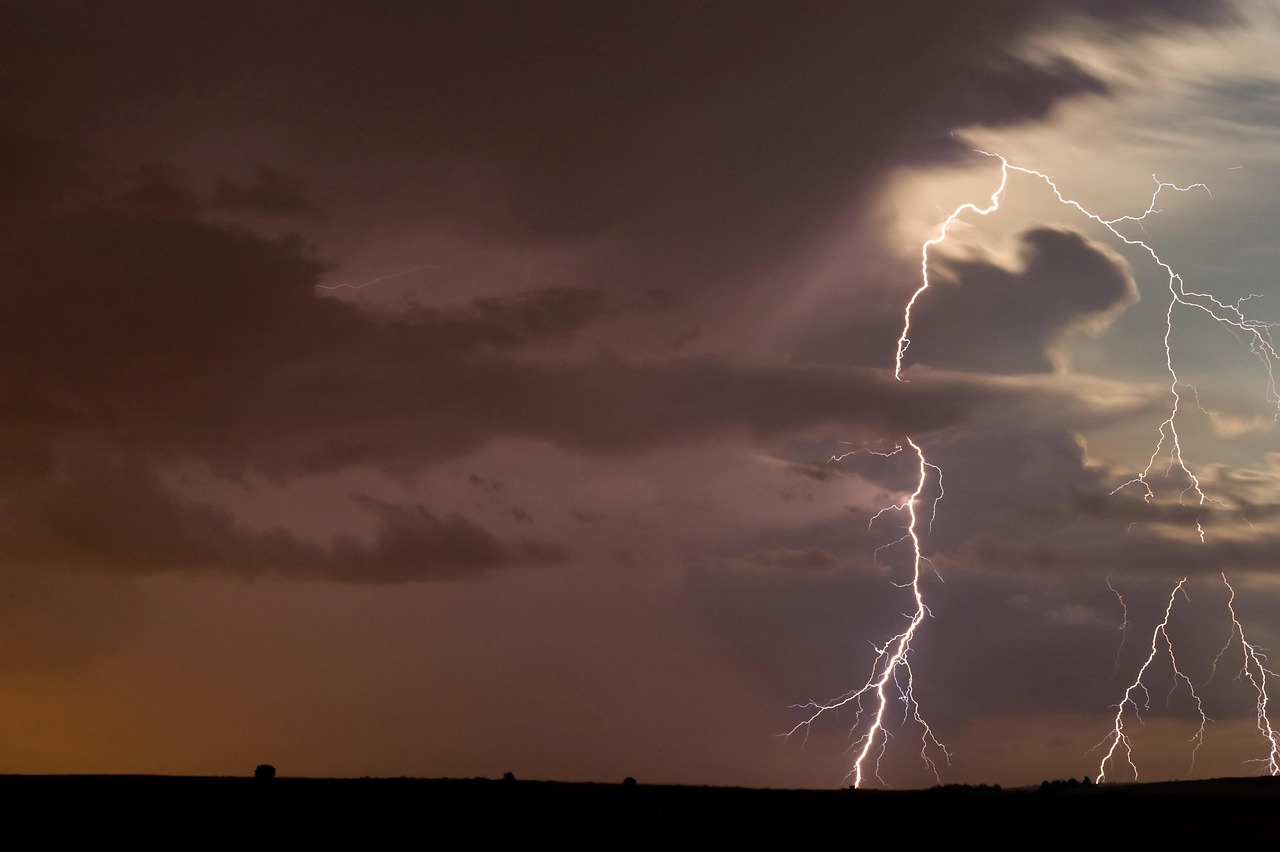
Strong winds and storm surges can damage buildings, uproot trees, and flood coastal communities. These disasters become more severe when drainage systems are poorly maintained, forests are cleared, and waterways are blocked by waste. The intensity and duration of rainfall, along with geographical conditions, can determine the severity of the resulting damage.
Tectonic Activity
The movement and collision of Earth's tectonic plates build immense stress along fault lines, resulting in sudden energy releases that cause earthquakes and tsunamis.

The movement and interaction of tectonic plates can cause earthquakes, tsunamis, and volcanic activity. When stress builds up along faults in the Earth's crust, it may suddenly release energy, causing the ground to shake. Underwater earthquakes can displace large volumes of water, generating tsunamis that threaten coastal areas.
Volcanic Activity
Volcanic eruptions release molten rock, ash, toxic gases, and pyroclastic flows from beneath the Earth's crust, posing severe hazards to surrounding populations and atmospheric stability.

Volcanic eruptions occur when magma, gases, and ash rise from beneath the Earth's surface and escape through openings in the crust. Eruptions may release lava flows, ash clouds, toxic gases, and fast-moving mixtures of hot gas and volcanic material called pyroclastic flows.
Extended lack of rain
Prolonged meteorological droughts reduce water tables, deplete reservoirs, devastate agricultural yields, and significantly increase wildfire risks.

Prolonged periods of little or no rainfall can lead to droughts, particularly in regions that depend on regular rainfall for agriculture and water supplies. High temperatures and increased evaporation can worsen these conditions by drying out soil, rivers, lakes, and reservoirs. Climate patterns, changing weather conditions, deforestation, and unsustainable water use can contribute to drought severity.
Erosion and Deposition
The gradual wearing away of topsoil and rock by wind, water, and ice—coupled with sediment accumulation—can destabilize slopes and alter river basins over time.
Erosion occurs when water, wind, waves, or ice wear away and transport soil, rock, and sediment from one place to another. Deposition happens when these materials settle in a new location, often changing the shape of riverbeds, coastlines, and landscapes. Heavy rainfall, strong currents, deforestation, and construction can accelerate erosion, while sediment buildup can make rivers and drainage channels shallower and reduce their capacity to carry water.
The Consequences


