LIFE9 • DISASTER RISK REDUCTION

Response & Recovery

Know what to do during a disaster, protect yourself and others, and take the right steps toward recovery.

Respond Safely Explore Recovery

WHEN DISASTER STRIKES

What Should You Do?

During an emergency, staying calm and following reliable safety instructions can help reduce injuries and protect lives.

Remember: Safety Comes First

Every disaster is different. Follow instructions from local authorities and emergency responders. Do not put yourself in danger to save belongings or return to an unsafe area.

1. Protect Yourself

  • Follow the correct safety actions for the hazard.
  • Move away from immediate danger if it is safe to do so.
  • Stay away from damaged buildings, fallen power lines and unstable structures.
  • Keep children and vulnerable people close and supported.

2. Get Reliable Information

  • Listen to official warnings and emergency instructions.
  • Use a charged phone or battery-powered radio when available.
  • Check information before sharing it with others.
  • Do not spread unverified reports or rumours.

3. Help Others Safely

  • Contact emergency responders when someone needs urgent help.
  • Assist children, older adults and people with disabilities when safe.
  • Share essential supplies without entering dangerous areas.
  • Do not attempt rescues beyond your training or abilities.

Important Safety Reminder

Never walk or drive through floodwater, touch fallen electrical wires, or enter a damaged building before it has been declared safe. If evacuation is advised, follow the designated route and instructions from local authorities.

AFTER THE DANGER

Steps Toward Recovery

Recovery takes time. Communities can rebuild safely by addressing urgent needs first and planning for future risks.

1. Check Health and Safety

Make sure everyone is accounted for and seek medical assistance for injuries or illness. Avoid damaged structures, contaminated water and unsafe food. Follow public health advice.

2. Find Safe Shelter and Essentials

Use a safe shelter if your home is damaged or unsafe. Arrange access to clean drinking water, food, essential medicine, sanitation and necessary supplies.

3. Assess Damage Carefully

Document property damage when it is safe, and report hazards to the relevant authorities. Do not re-enter damaged buildings until they have been checked and declared safe.

4. Support Community Recovery

Work with trusted local organisations and community leaders to distribute supplies fairly, restore essential services and support people who need additional assistance.

5. Rebuild More Safely

When rebuilding, consider local hazards, safer building practices, improved drainage, accessible evacuation routes and better emergency communication to reduce future risks.

BE READY TO ACT

Emergency Recovery Checklist

Use this interactive checklist to review important steps after a disaster. Tick each item as you complete it.

Checklist image

My Safety Checklist

Only complete these actions when it is safe to do so.

0 of 7 completed

STRONGER TOGETHER

Recovery Is a Community Effort

Everyone can contribute to a safer, more resilient community in ways that match their abilities.

Support Vulnerable People

Help older adults, children, people with disabilities and others who may face barriers to receiving assistance.

Share Trusted Information

Pass on verified updates, safety instructions and information about available support services.

Reduce Future Risks

Keep drainage pathways clear when safe, manage waste responsibly and participate in local preparedness activities.

Prepared Today, Safer Tomorrow

Learn about different hazards and prepare before the next emergency happens.

Explore Types of Disasters | Visit Our FAQ

LEARN • PREPARE • PROTECT

Our Awareness Resources

Explore our educational materials designed to spread disaster awareness, encourage preparedness and help build safer communities.

FEATURED RESOURCE

Disaster Preparedness Awareness Video

Learn about the importance of disaster preparedness, essential safety measures and how individuals and communities can respond to emergencies.

Watch Video

SPREAD AWARENESS

Educational Posters

Quick visual guides to important disaster safety information.

03 POSTERS
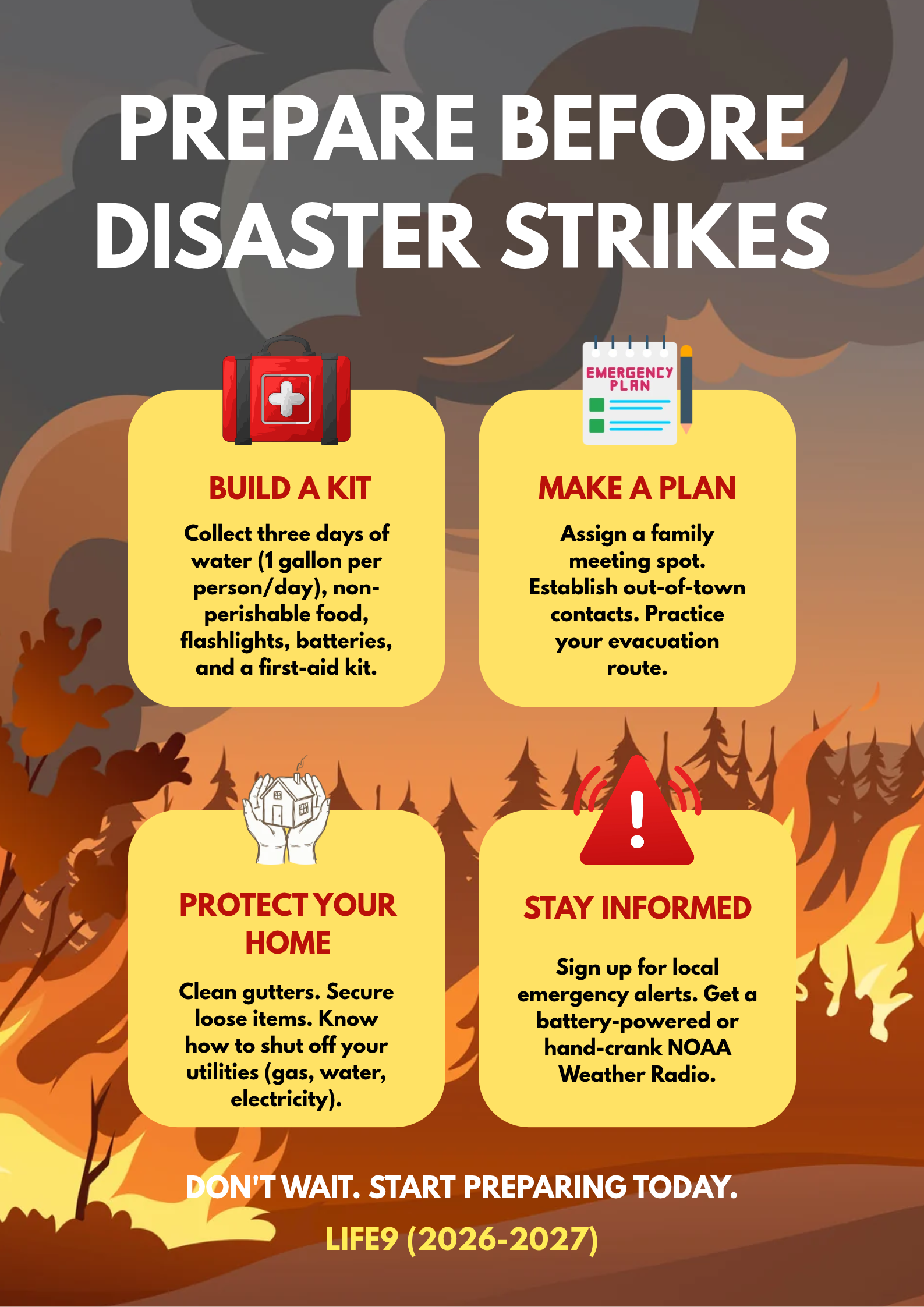
Preparedness poster
PREPAREDNESS

Prepare Before Disaster Strikes

Understand how to prepare yourself, your home and your family before an emergency.

View Poster
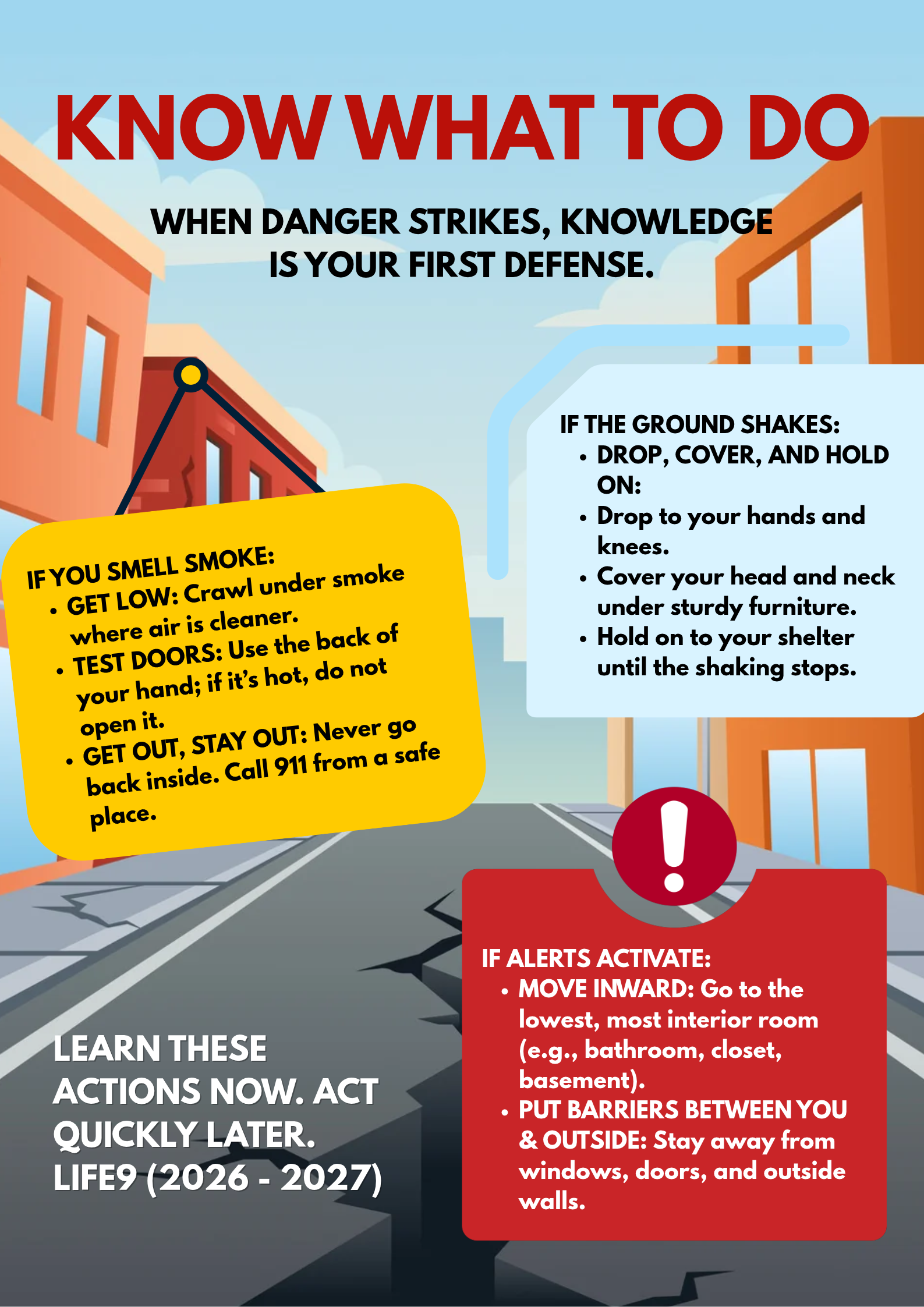
Know what to do poster
SAFETY GUIDANCE

Know What to Do

Learn basic safety actions and how to respond appropriately to different hazards.

View Poster
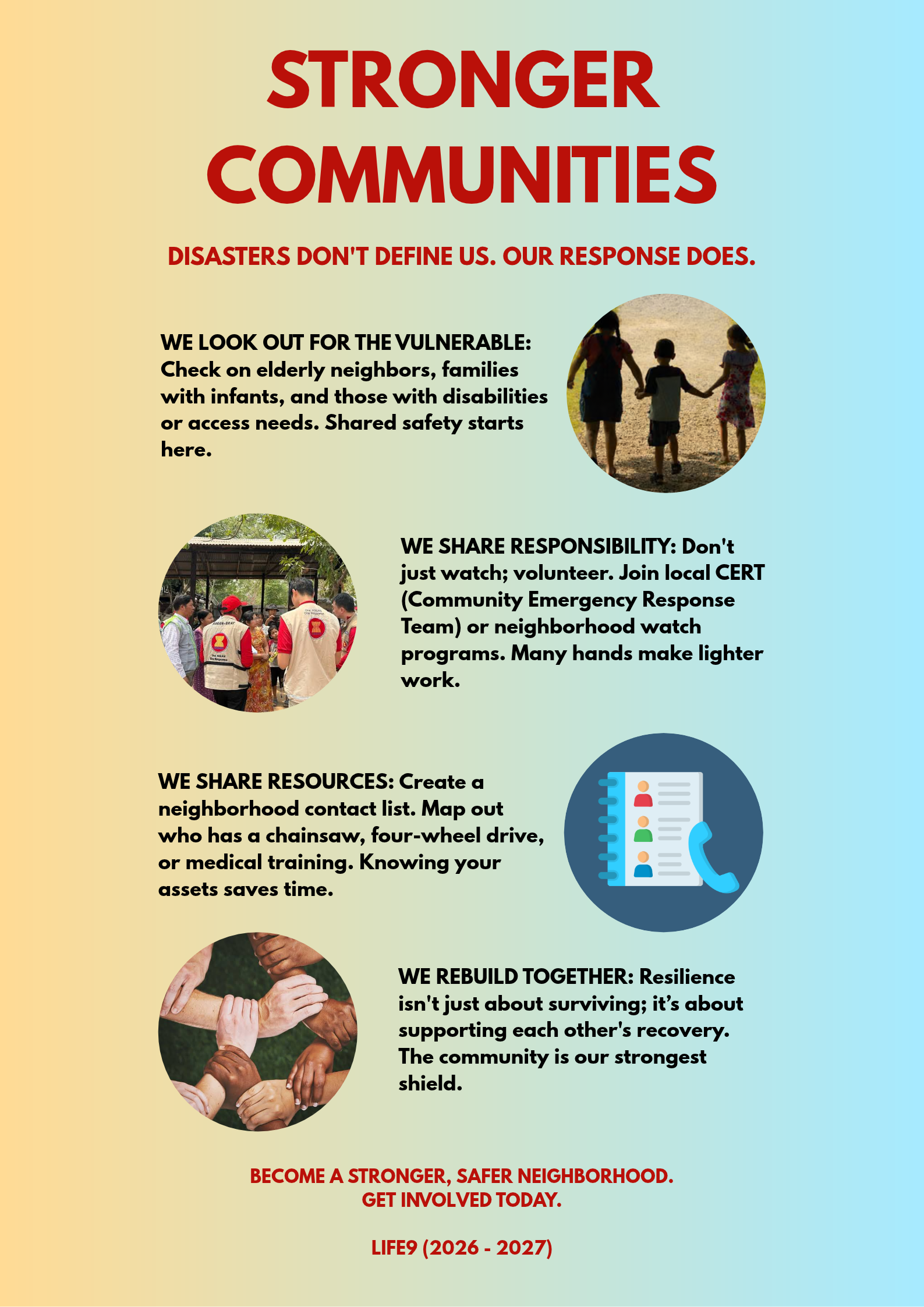
Stronger communities poster
COMMUNITY AWARENESS

Stronger Communities

Encourage community participation, shared responsibility and support for vulnerable people.

View Poster

YOUR PREPAREDNESS GUIDE

Disaster Preparedness Booklet

A more detailed resource for learning and preparation.

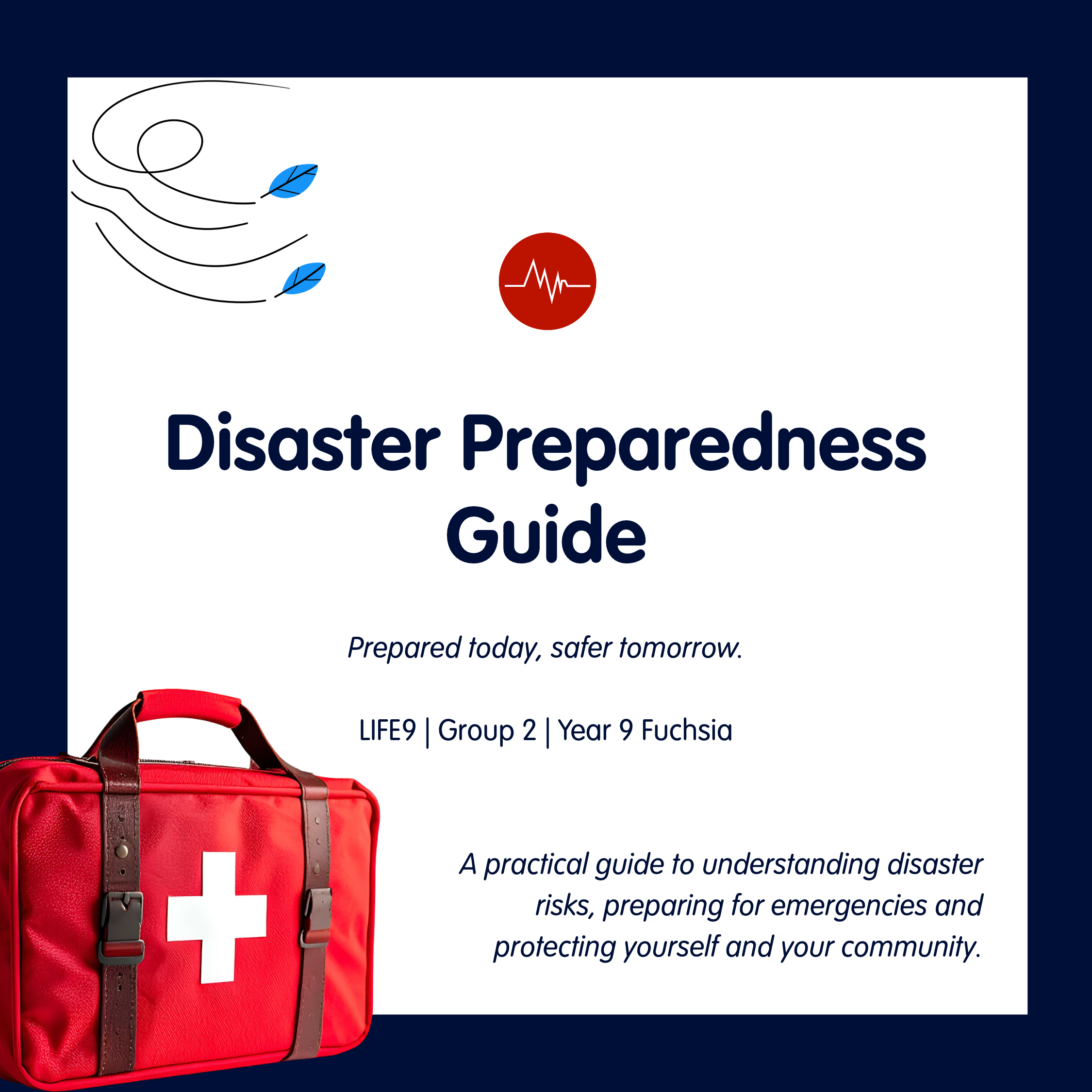
booklet cover
EDUCATIONAL BOOKLET

Be Informed. Be Prepared.

Our disaster preparedness booklet brings together useful information to help readers understand potential hazards and take practical steps to protect themselves and their communities.

Understanding different disasters
Essential preparedness measures
Emergency response and safety tips
Recovery and community support
Explore Booklet

HELP WHEN YOU NEED IT

Myanmar Emergency Contacts

Find emergency services and trusted organizations that may help you during a disaster or other emergency.

Need Immediate Help?

Move to a safe place if possible and contact the appropriate emergency service. If a number does not connect, seek assistance from a nearby hospital, fire station or trusted local organization.

MEDICAL EMERGENCY

Ambulance Service

For urgent medical emergencies and ambulance assistance.

192 Availability may vary by area.
FIRE & RESCUE

Fire Service

Contact the fire service for fire emergencies and related assistance.

191 Availability may vary by area.
POLICE ASSISTANCE

Police Emergency

For urgent situations requiring police assistance.

199 Availability may vary by area.
FAMILY RECONNECTION

Myanmar Red Cross Family Links

Helps people enquire about relatives and reconnect with family members separated during emergencies.

+95 957 557 000 Office hours: Monday–Friday, 9:30 AM–4:30 PM. Official contact information
HUMANITARIAN SUPPORT

International Committee of the Red Cross

Provides humanitarian support in Myanmar, including assistance for families separated by emergencies.

+95 977 666 2555 Published office hours: Monday–Friday, 8:00 AM–4:30 PM. Official contact information

Preparing Myanmar for a Safer Future

From national organisations to local communities, discover how Myanmar prepares for disasters and where stronger action is needed.

01 / WHO IS TAKING ACTION?

Disaster Management Across Myanmar

These organisations contribute to weather monitoring, community preparedness, disaster coordination and emergency response.

WEATHER & EARLY WARNING

Department of Meteorology and Hydrology (DMH)

DMH monitors weather conditions and issues forecasts and warnings for hazards such as cyclones, heavy rainfall and floods.

Why this matters locally

For coastal communities in Ayeyarwady and Rakhine, early cyclone and storm warnings give families more time to prepare, protect belongings and follow evacuation advice.

PUBLIC INFORMATION

Department of Disaster Management (DDM)

DDM supports disaster risk reduction and shares preparedness information and emergency updates. The Myanmar Disaster Alert mobile application is one channel for communicating disaster-related information.

Why this matters locally

Residents should know where to find reliable warnings and share important updates with family members, neighbours and people who may not have internet access.

COMMUNITY PREPAREDNESS

Myanmar Red Cross Society (MRCS)

MRCS works with communities through trained volunteers, preparedness activities, first aid, emergency response and relief assistance. Its Emergency Operations Centre network helps coordinate information and response activities.

Why this matters locally

In flood-prone townships, local volunteers can help share warnings, identify people who may need assistance and support communities in preparing for evacuation.

INFORMATION & COORDINATION

MIMU & the Disaster Risk Reduction Working Group

The Myanmar Information Management Unit (MIMU) provides information resources for humanitarian work. Its DRR Working Group brings together organisations, including UN agencies, local NGOs, international NGOs and MRCS, to support disaster risk reduction coordination.

Why this matters locally

Shared maps and information can help organisations identify affected areas, understand local needs and plan support instead of duplicating efforts.

02 / WHAT SHOULD IMPROVE?

Local Solutions for Different Regions

One solution cannot protect every part of Myanmar. Each area needs disaster preparation suited to its geography and main hazards.

AYEYARWADY & RAKHINE

Strengthen Coastal Protection

Low-lying coastal and delta communities face risks from cyclones, storm surges and flooding.

Suggested improvements
  • Maintain safe and accessible cyclone shelters.
  • Improve evacuation routes and warning announcements.
  • Protect and restore mangroves where suitable.
  • Prepare boats and transport arrangements for evacuation.
YANGON REGION

Make Urban Areas Safer

Yangon needs stronger preparation for earthquakes and seasonal urban flooding, especially in densely populated neighbourhoods.

Suggested improvements
  • Improve drainage and clear blocked waterways before monsoon season.
  • Encourage earthquake-resistant building practices.
  • Organise school and neighbourhood earthquake drills.
  • Clearly identify safe assembly areas and evacuation routes.
CHIN STATE

Reduce Mountainous Area Risks

Steep terrain and heavy monsoon rainfall can increase landslide risks and disrupt roads connecting remote communities.

Suggested improvements
  • Monitor slopes and identify areas vulnerable to landslides.
  • Share rainfall and landslide warnings with villages.
  • Improve drainage along roads and hillside settlements.
  • Plan alternative routes and local emergency supplies.
BAGO REGION

Prepare for Seasonal Flooding

Communities in flood-prone areas need better preparation for rising river levels and heavy monsoon rainfall.

Suggested improvements
  • Monitor river levels and communicate flood warnings early.
  • Maintain drainage channels and waterways.
  • Prepare elevated storage for important belongings.
  • Identify nearby shelters and safe routes.
SAGAING & MANDALAY

Improve Earthquake Readiness

Central Myanmar needs continued attention to earthquake preparedness, safer buildings and community response plans.

Suggested improvements
  • Encourage safer construction and building assessments.
  • Teach earthquake safety in schools and communities.
  • Prepare family communication and meeting plans.
  • Identify safe open spaces for post-earthquake assembly.
ALL STATES & REGIONS

Build Prepared Communities

Even when hazards differ, every community benefits from knowing what to do before an emergency happens.

Suggested improvements
  • Hold regular school and neighbourhood safety drills.
  • Teach basic first aid and emergency preparedness.
  • Include older people and persons with disabilities in local plans.
  • Keep emergency contacts and evacuation information accessible.

Disaster Preparedness Starts at Home

National organisations can provide warnings and support, but preparedness also begins with families and neighbours. Knowing local hazards, preparing essential supplies and having a communication plan can make a real difference.