DISASTER RISK

HIGH-RISK AREAS IN MYANMAR

Explore the natural disasters that threaten different regions of Myanmar, discover which communities are most vulnerable, and understand why some areas face greater risks.

Disaster Risks Across Myanmar

Select a region to discover its main natural disaster risks.

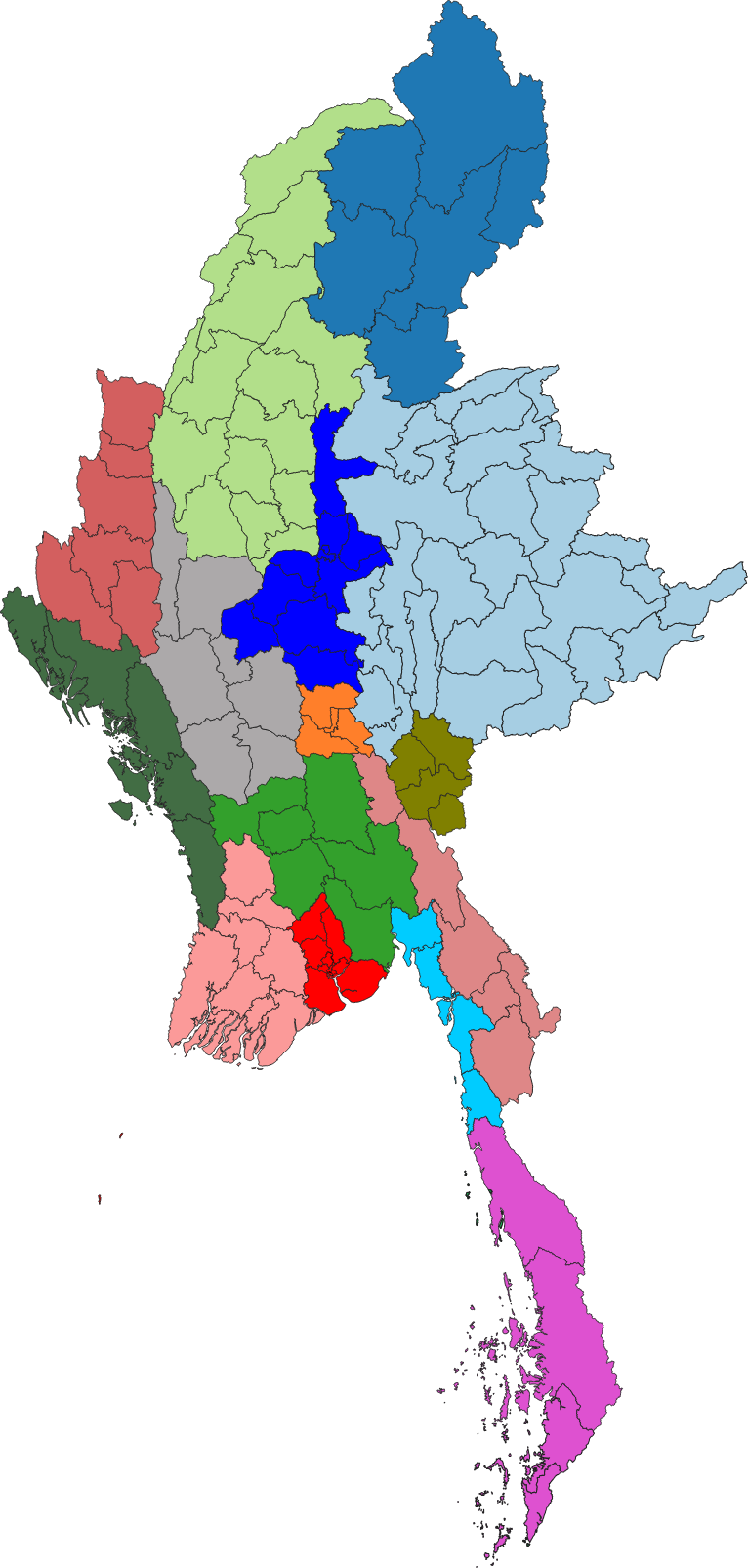
MYANMAR ADMINISTRATIVE MAP Select a region marker
Map of Myanmar showing state and region boundaries
REPUBLIC OF THE UNION OF MYANMAR

Select a marker to explore the region's disaster risks.

Region marker Selected region

Explore Myanmar

Select a marker on the map to discover the region's main disaster risks.

Disasters in
Different Areas

Learn how geography influences the risks faced by communities across Myanmar.

01 / UNDERSTANDING DRR

Disaster Risk Reduction

Reducing disaster risks before they become emergencies.

WHAT IS DRR?

Preparation today can reduce the impact of disasters tomorrow.

Disaster Risk Reduction (DRR) refers to the actions taken to prevent new disaster risks, reduce existing risks and strengthen people's ability to cope with hazards.

disaster risk reduction
01 BEFORE

Preparedness

Identify risks, prepare supplies, plan evacuation routes and learn safety procedures.

02 DURING

Response

Follow official warnings, protect yourself and others, and contact emergency services when needed.

03 AFTER

Recovery

Check for safety, access essential services and help communities rebuild.

OUR MAIN FOCUS

Prepare before a disaster happens.

Different parts of Myanmar face different hazards. Preparation should reflect local risks.

15 AREAS
01DELTA REGION

Ayeyarwady Region

Cyclones · Floods · Storm surges

Before these hazards
  • Follow cyclone and flood warnings.
  • Identify safe shelters away from coastal and low-lying areas.
  • Prepare drinking water, food, medicine and waterproof document bags.
  • Know evacuation routes and arrange transport in advance.
02CENTRAL REGION

Bago Region

Floods · Earthquakes · Cyclones in southern areas

Before these hazards
  • Keep drainage channels clear and avoid building in flood-prone locations.
  • Secure heavy furniture and prepare an emergency kit.
  • Identify higher ground and safe evacuation routes.
  • Know how to turn off electricity and gas safely.
03WESTERN HIGHLANDS

Chin State

Landslides · Earthquakes · Flash floods

Before these hazards
  • Avoid building near unstable slopes and riverbanks.
  • Watch for cracks in the ground and unusual water flow.
  • Identify alternative routes in case roads are blocked.
  • Prepare emergency supplies for isolated communities.
04NORTHERN REGION

Kachin State

Floods · Landslides · Earthquakes

Before these hazards
  • Monitor river levels, heavy rainfall and landslide warnings.
  • Keep emergency supplies in accessible locations.
  • Plan routes that avoid steep slopes and flood-prone crossings.
  • Secure household furniture and prepare for power interruptions.
05EASTERN HIGHLANDS

Kayah State

Earthquakes · Landslides · Flash floods

Before these hazards
  • Secure heavy objects and identify safer places inside buildings.
  • Keep away from unstable slopes and riverbanks during heavy rain.
  • Prepare first-aid supplies and emergency communication plans.
  • Identify accessible shelters and alternative roads.
06SOUTHEASTERN REGION

Kayin State

Floods · Landslides · Earthquakes

Before these hazards
  • Monitor river levels and rainfall forecasts.
  • Prepare to move to higher ground when flooding is expected.
  • Avoid unstable hillsides and steep slopes.
  • Store important documents and emergency supplies safely.
07DRY ZONE

Magway Region

Droughts · Heatwaves · Earthquakes · Floods

Before these hazards
  • Store clean water and use water-saving methods.
  • Prepare shaded, ventilated spaces and check on vulnerable residents during hot weather.
  • Secure furniture and prepare an earthquake emergency kit.
  • Keep drainage clear before the rainy season.
08CENTRAL DRY ZONE

Mandalay Region

Earthquakes · Heatwaves · Droughts · Floods

Before these hazards
  • Follow earthquake-resistant building practices and secure heavy objects.
  • Prepare water supplies and shaded spaces for extreme heat.
  • Identify safe open areas and family meeting points.
  • Check drainage systems and prepare for seasonal flooding.
09SOUTHERN COAST

Mon State

Floods · Cyclones · Storm surges · Landslides

Before these hazards
  • Monitor coastal weather and flood warnings.
  • Know evacuation routes to safer inland or higher areas.
  • Keep emergency kits and documents waterproofed.
  • Maintain drainage systems and avoid unstable slopes.
10ADMINISTRATIVE AREA

Nay Pyi Taw

Earthquakes · Floods · Heatwaves

Before these hazards
  • Secure furniture and identify safe spots in buildings.
  • Keep drains clear and identify nearby evacuation areas.
  • Prepare drinking water and reduce exposure during extreme heat.
  • Keep emergency contacts and family meeting plans accessible.
11WESTERN COAST

Rakhine State

Cyclones · Storm surges · Floods · Landslides

Before these hazards
  • Follow cyclone alerts and evacuate when instructed.
  • Identify cyclone shelters and safe routes before storms arrive.
  • Prepare food, clean water, medicine and waterproof documents.
  • Avoid coastal areas and steep slopes during severe weather.
12NORTHWESTERN REGION

Sagaing Region

Earthquakes · Floods · Heatwaves · Droughts

Before these hazards
  • Secure furniture and check buildings for earthquake safety.
  • Prepare water supplies and shaded areas for hot weather.
  • Monitor river levels and avoid flood-prone crossings.
  • Keep emergency supplies and communication plans ready.
13EASTERN HIGHLANDS

Shan State

Earthquakes · Landslides · Floods · Droughts

Before these hazards
  • Avoid unstable slopes and monitor heavy rainfall.
  • Secure furniture and prepare for possible earthquakes.
  • Store clean water in areas affected by dry seasons.
  • Identify alternative routes if roads become blocked.
14SOUTHERN COAST

Tanintharyi Region

Floods · Cyclones · Storm surges · Landslides

Before these hazards
  • Monitor coastal weather forecasts and flood warnings.
  • Know safe evacuation routes away from the coast.
  • Prepare waterproof emergency supplies.
  • Keep drainage channels clear and avoid unstable slopes.
15URBAN REGION

Yangon Region

Floods · Cyclones · Earthquakes · Heatwaves

Before these hazards
  • Keep drains clear and prepare for flooding in low-lying neighbourhoods.
  • Secure furniture and identify safe spots inside buildings.
  • Prepare drinking water and backup lighting.
  • Know nearby shelters and alternative routes during emergencies.

These are representative regional hazards, not a complete risk assessment. Risks can vary between townships and communities. Always follow local authorities and official early-warning information.

02 / BE READY

Disaster Preparedness

Knowing what to do before an emergency can help protect lives and reduce damage.

WHY IT MATTERS

Being prepared makes a difference.

Disasters can happen with little warning. Preparing in advance helps individuals and families respond more calmly, access essential supplies and make safer decisions.

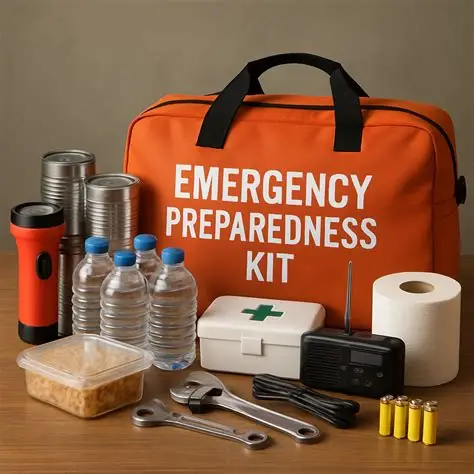
emergency kit
PRACTICAL SAFETY GUIDE

Prepare for the hazards around you.

Choose a region below to explore practical preparation steps.

Cyclones and storm surges
  • Know the location of official cyclone shelters.
  • Prepare food, clean water, medicine, a torch and a battery-powered radio.
  • Secure loose outdoor objects and follow evacuation instructions.
  • Stay away from beaches and coastal areas when warnings are issued.
Floods
  • Move important documents and valuables to higher storage.
  • Prepare waterproof bags and a supply of clean drinking water.
  • Identify safe routes to higher ground.
  • Never walk or drive through moving floodwater.
Landslides
  • Recognise warning signs such as new ground cracks or leaning trees.
  • Avoid building or staying near unstable slopes.
  • Know alternative routes away from steep hillsides.
  • Follow evacuation instructions during prolonged heavy rainfall.

Earthquakes
  • Secure shelves, cabinets and heavy objects.
  • Identify safe places away from windows and objects that may fall.
  • Prepare a family communication and meeting plan.
  • Keep emergency supplies in an accessible location.
Heatwaves
  • Store enough clean drinking water.
  • Keep rooms ventilated and use shaded or cooler spaces.
  • Plan outdoor activities for cooler parts of the day.
  • Check on older people, children and people who may need extra support.
Droughts
  • Store water safely and use it carefully.
  • Repair leaking taps and avoid unnecessary water use.
  • Plan alternative water sources with the local community.
  • Follow local water-supply and agricultural updates.
Floods
  • Keep drainage channels clear.
  • Prepare waterproof storage for important documents.
  • Identify higher ground and safe routes.
  • Monitor local rainfall and flood warnings.

Landslides
  • Avoid unstable slopes, steep cuttings and areas with visible ground cracks.
  • Watch for unusual water flow or sudden changes in streams.
  • Identify safe routes that do not pass below unstable hillsides.
  • Prepare supplies in case roads become inaccessible.
Earthquakes
  • Secure furniture and heavy objects.
  • Identify safe places inside buildings.
  • Prepare emergency contacts and a family meeting point.
  • Check buildings for structural safety where possible.
Floods and flash floods
  • Monitor rainfall and local river conditions.
  • Never cross fast-flowing streams or flooded roads.
  • Know routes to higher ground.
  • Keep emergency supplies ready in case of isolation.
Droughts
  • Store clean water and protect water sources.
  • Use water-saving methods in homes and farms.
  • Follow local water availability updates.
  • Plan alternative sources with community leaders.

Floods
  • Keep drains and nearby waterways clear of rubbish.
  • Know which roads and neighbourhoods are prone to flooding.
  • Store important belongings above expected flood levels.
  • Prepare alternative routes to school, work and shelters.
Earthquakes
  • Secure heavy furniture and appliances.
  • Identify safe spots away from windows and unstable objects.
  • Practise the Drop, Cover and Hold On procedure.
  • Know the safest exit routes and open assembly areas.
Heatwaves
  • Drink water regularly and avoid prolonged exposure to heat.
  • Use shaded and ventilated spaces.
  • Check on neighbours who may need assistance.
  • Follow health and weather advisories.
Cyclones
  • Follow official weather warnings.
  • Secure loose objects and close windows and doors.
  • Prepare emergency supplies and backup lighting.
  • Move to a designated shelter if instructed.
A HOUSEHOLD ESSENTIAL

Build an emergency kit.

Keep essential items together so they are easy to find when needed.

Drinking water and non-perishable food
First-aid supplies and personal medication
Flashlight and spare batteries
Power bank and emergency contacts
Important documents in waterproof bags
Hygiene products and spare clothing
Emergency kit image
03 / LOOKING AHEAD

Building Safer Communities

Long-term improvements can help Myanmar communities become more resilient to disasters.

BEYOND EMERGENCY RESPONSE

Invest in prevention, not just recovery.

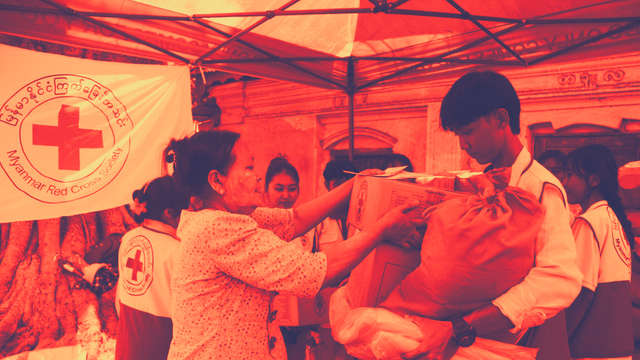
Disaster resilience requires cooperation between local authorities, communities, schools and organisations. Improvements to infrastructure, public awareness and early-warning systems can reduce future risks.

Red Cross society image
01
INFRASTRUCTURE

Improve drainage and flood management.

Prioritise flood-prone urban areas such as Yangon and low-lying communities in the Ayeyarwady Delta.

  • Maintain drainage channels and waterways.
  • Improve rainwater harvesting and water storage.
  • Introduce more green spaces and permeable surfaces.
02 EARLY WARNING

Strengthen warning systems.

Make timely warnings accessible to rural, coastal and remote communities through multiple communication channels.

03 BUILDING SAFETY

Encourage safer construction.

Promote earthquake-resistant building standards, safer construction practices and regular building inspections.

04 COMMUNITY EDUCATION

Expand disaster awareness.

Organise school drills, community workshops and practical first-aid training so more people know how to respond.

05 ENVIRONMENT

Protect natural ecosystems.

Restore mangroves, protect forests and maintain natural waterways to help reduce flooding, erosion and coastal impacts.

06
INCLUSIVE PREPAREDNESS

Make disaster plans accessible to everyone.

Preparedness should consider the needs of older people, children, people with disabilities and isolated communities.

  • Provide accessible evacuation routes and shelters.
  • Include vulnerable residents in local emergency planning.
  • Make safety information available in clear, understandable languages and formats.
THE GOAL

A safer Myanmar starts with prepared communities.

Small actions today can help reduce risks and protect lives tomorrow.

How Disasters Affect Communities

Natural disasters can affect more than just buildings and infrastructure.

Homes and Infrastructure

In Rakhine State, cyclones and storm surges can damage coastal homes, schools and roads. In Sagaing and Mandalay, earthquakes can weaken buildings and bridges. Meanwhile, seasonal flooding in Ayeyarwady and Bago can inundate houses and disrupt transport.

Health and Well-being

In the Central Dry Zone, particularly Magway and Mandalay, extreme heat and water shortages can cause dehydration and heat-related illnesses. Flooding in Ayeyarwady and Kayin can contaminate drinking water, while damaged healthcare facilities may make medical help harder to access.

Environment

Heavy monsoon rainfall can trigger landslides in mountainous areas such as Chin, Kachin and Shan. In coastal Rakhine and Tanintharyi, storm surges and coastal erosion can affect shorelines and natural habitats. Drought in central Myanmar can also place pressure on water resources.

Livelihoods and Economy

Flooding in Ayeyarwady and Bago can damage rice fields and livestock farms. Cyclones in Rakhine and coastal areas can disrupt fishing activities, while drought in Magway and Mandalay can reduce crop production. Damaged roads and infrastructure can also interrupt trade and local businesses.

Understanding Disaster Risks

Learn how different natural hazards can affect communities across Myanmar.

01 / FLOODING

Rising Waters

Heavy rainfall, overflowing rivers and poor drainage can cause flooding in vulnerable communities.

WATER-RELATED HAZARD
01 / FLOODING

Did You Know?

Flooding can damage homes, roads and farmland. Low-lying areas and communities near rivers are especially vulnerable.

STAY INFORMED AND PREPARED
Landslide icon
02 / LANDSLIDES

Unstable Slopes

Intense rainfall can weaken steep slopes, increasing the possibility of landslides.

LAND-RELATED HAZARD
02 / LANDSLIDES

Did You Know?

Mountainous areas such as Chin and Kachin States can face greater landslide risks during heavy monsoon rainfall.

WATCH FOR WARNING SIGNS
03 / CYCLONES

Coastal Storms

Strong winds, heavy rain and storm surges can affect coastal communities.

WEATHER-RELATED HAZARD
03 / CYCLONES

Did You Know?

Coastal areas of Rakhine and the Ayeyarwady Delta are exposed to cyclones and storm surges.

FOLLOW WEATHER WARNINGS
04 / EXTREME HEAT

Rising Temperatures

Prolonged hot weather can increase health risks and contribute to water shortages.

CLIMATE-RELATED HAZARD
04 / EXTREME HEAT

Did You Know?

Extreme heat can cause heat-related illnesses, especially among elderly people, children and outdoor workers.

STAY COOL AND HYDRATED